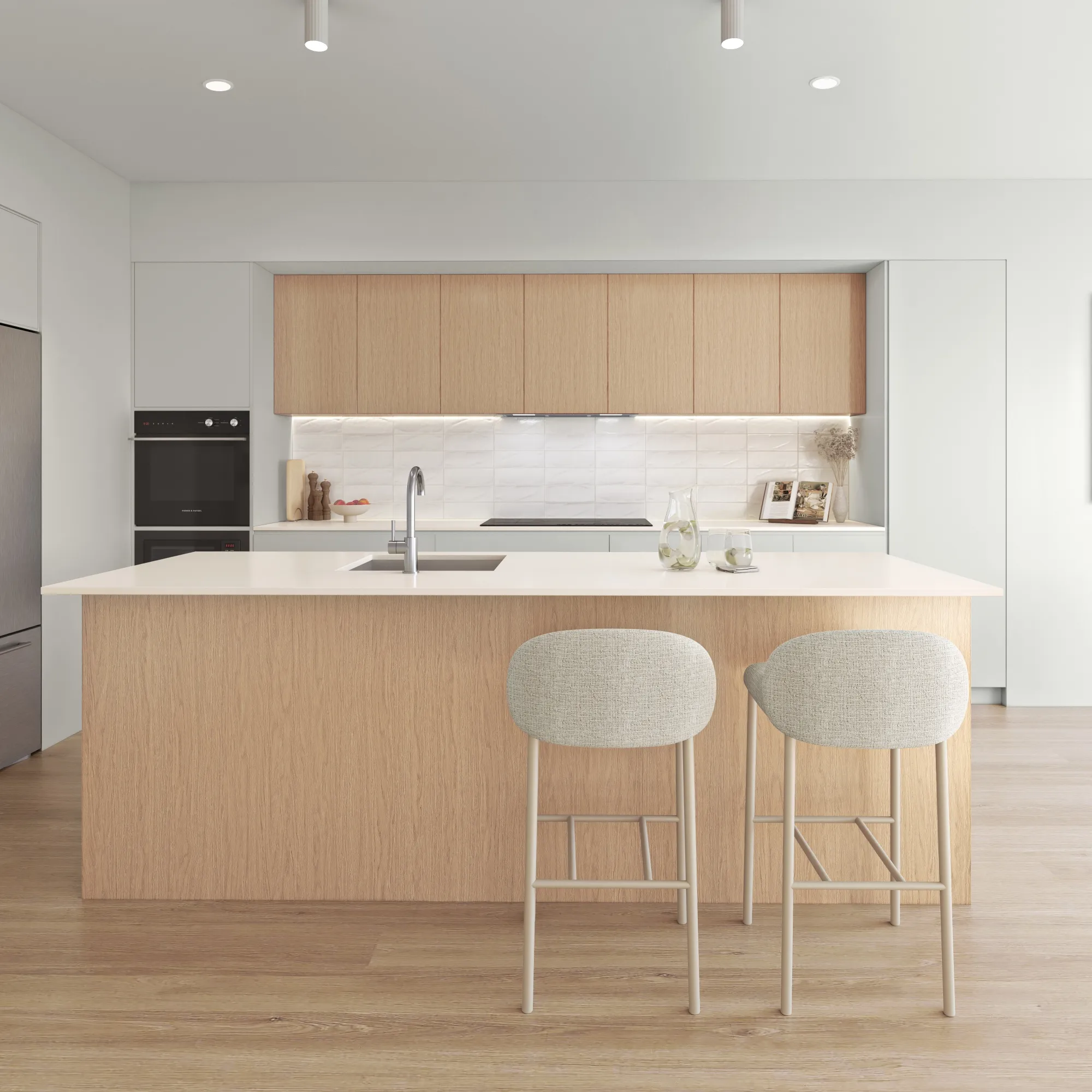
Visualization for interior designers
The problem
What usually goes wrong
Interior renders get treated as the easy version of exterior work and priced accordingly, which is backwards. A room is a closed box where every surface bounces light onto every other, and the failure mode is specific: a scheme that looks plausible but not like the room you designed.
Lighting solved first, the way a cinematographer solves a set — practical sources, then fill, then styling. Only after the light is right do materials go on, because a beautifully specified finish under wrong light still looks wrong.
Joinery is modeled to your documentation, not approximated. Handle profiles, reveals, shadow gaps and bench thicknesses are built as drawn, because those are exactly the details you will check first and exactly what a generic render gets wrong.
- Scheme presentation sets for client approval
- Kitchen, bathroom and joinery detail renders
- Day and dusk variants of the same space
- Finishes and colorway comparison sets
- Portfolio imagery for unbuilt work
Worth saying plainly
If the space is built and accessible, photograph it. A good interior photographer will cost less than a comparable render set and carries more credibility.
FAQ
Interior Designers questions
Will you render our actual FF&E schedule?
Yes. If you supply the schedule we render what is specified. If you would rather we styled it, we will work from your scheme and a mood reference and show you before we commit time to it.
Can we get the same room in two colorways?
Yes, and it is inexpensive because the scene already exists. A second scheme is a fraction of a new image, which makes comparison sets a genuinely good use of budget.
How do you handle specified lighting?
We build the actual fittings as light sources with the right temperature and beam angle rather than approximating with generic lights. If you have specified a warm narrow-beam downlight, that is what the render shows.
We also work with
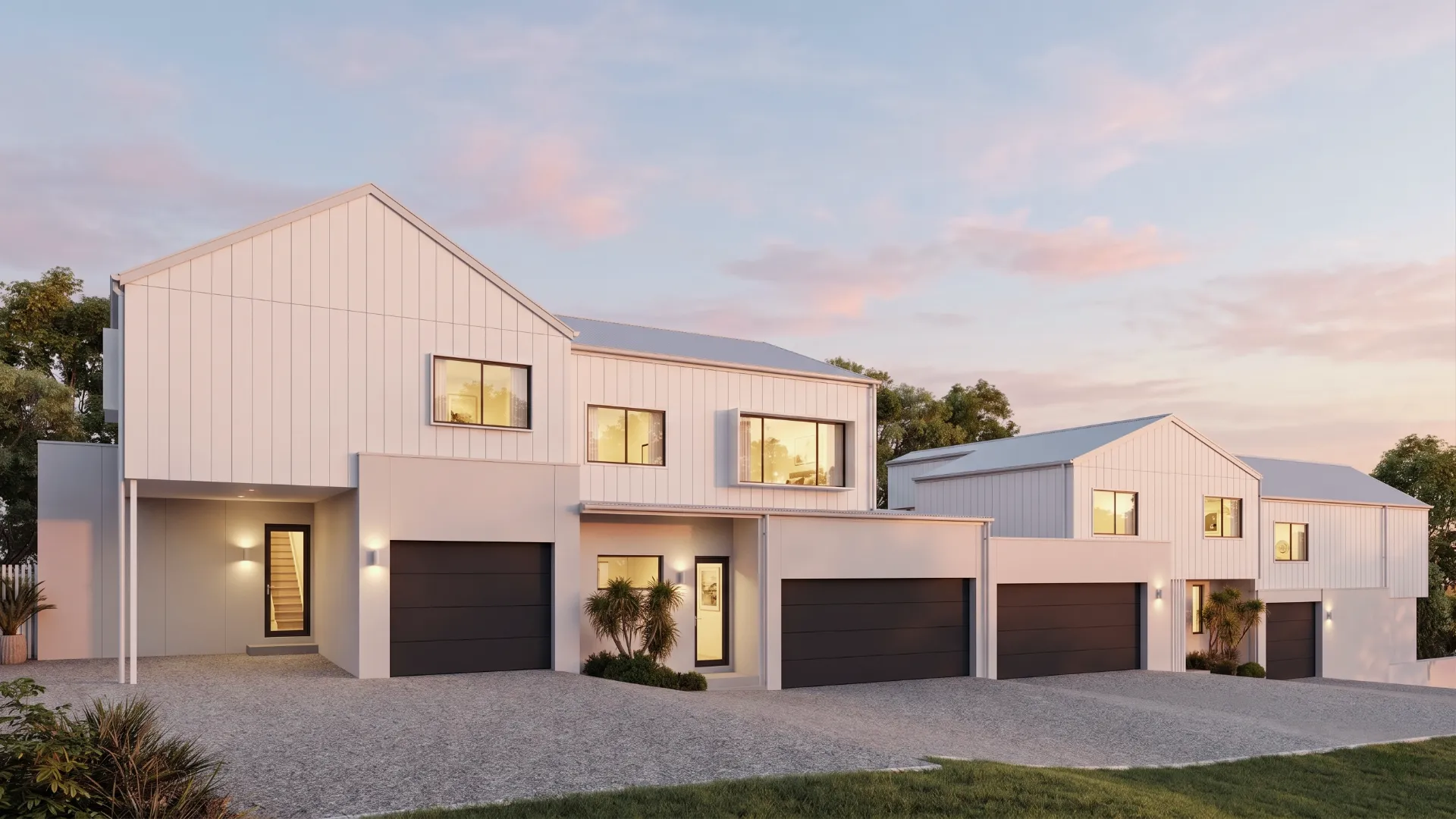
Architects
Competition boards, client presentations and award submissions, at the standard your drawings already set.
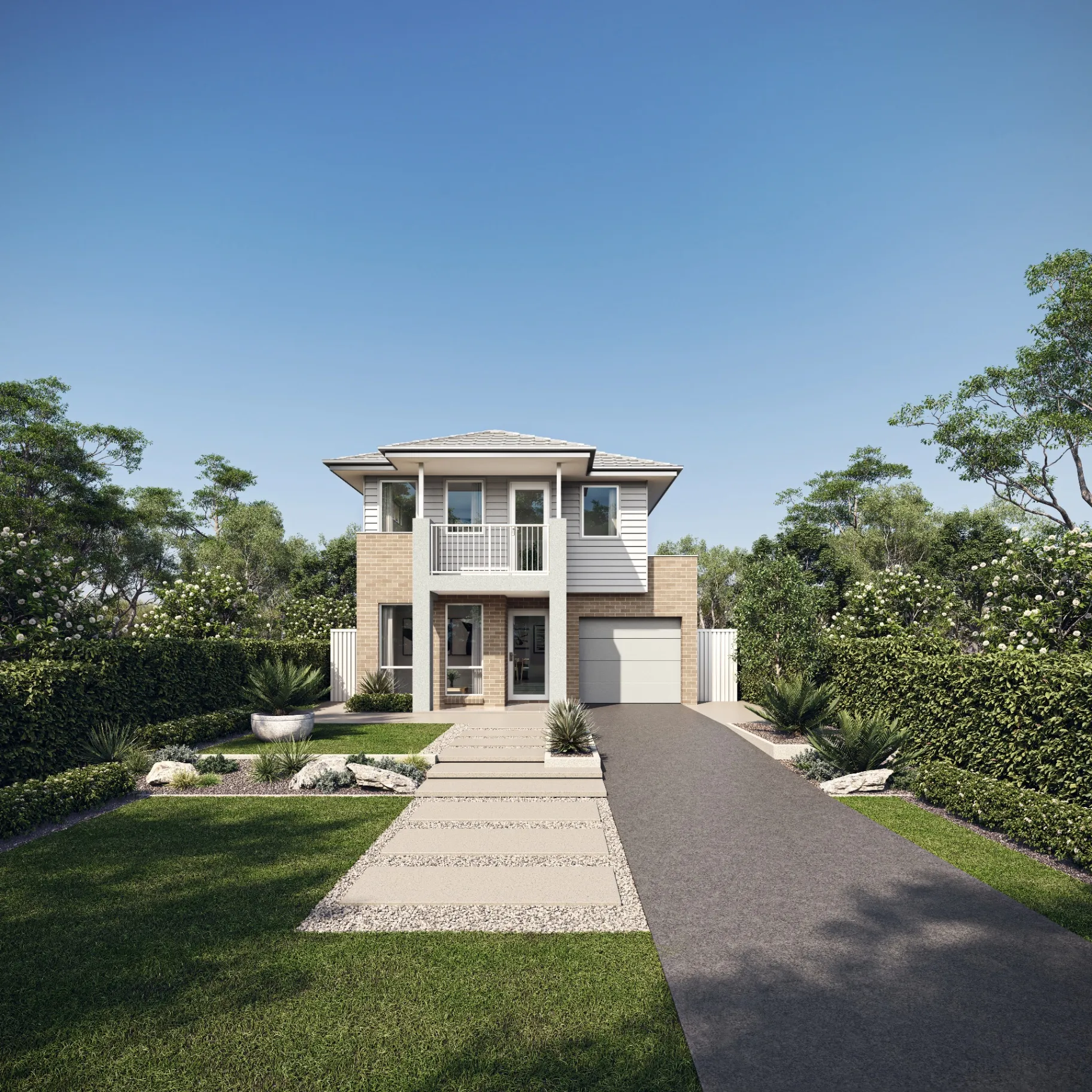
Developers
Campaign imagery that has to sell a building years before anyone can walk through it.
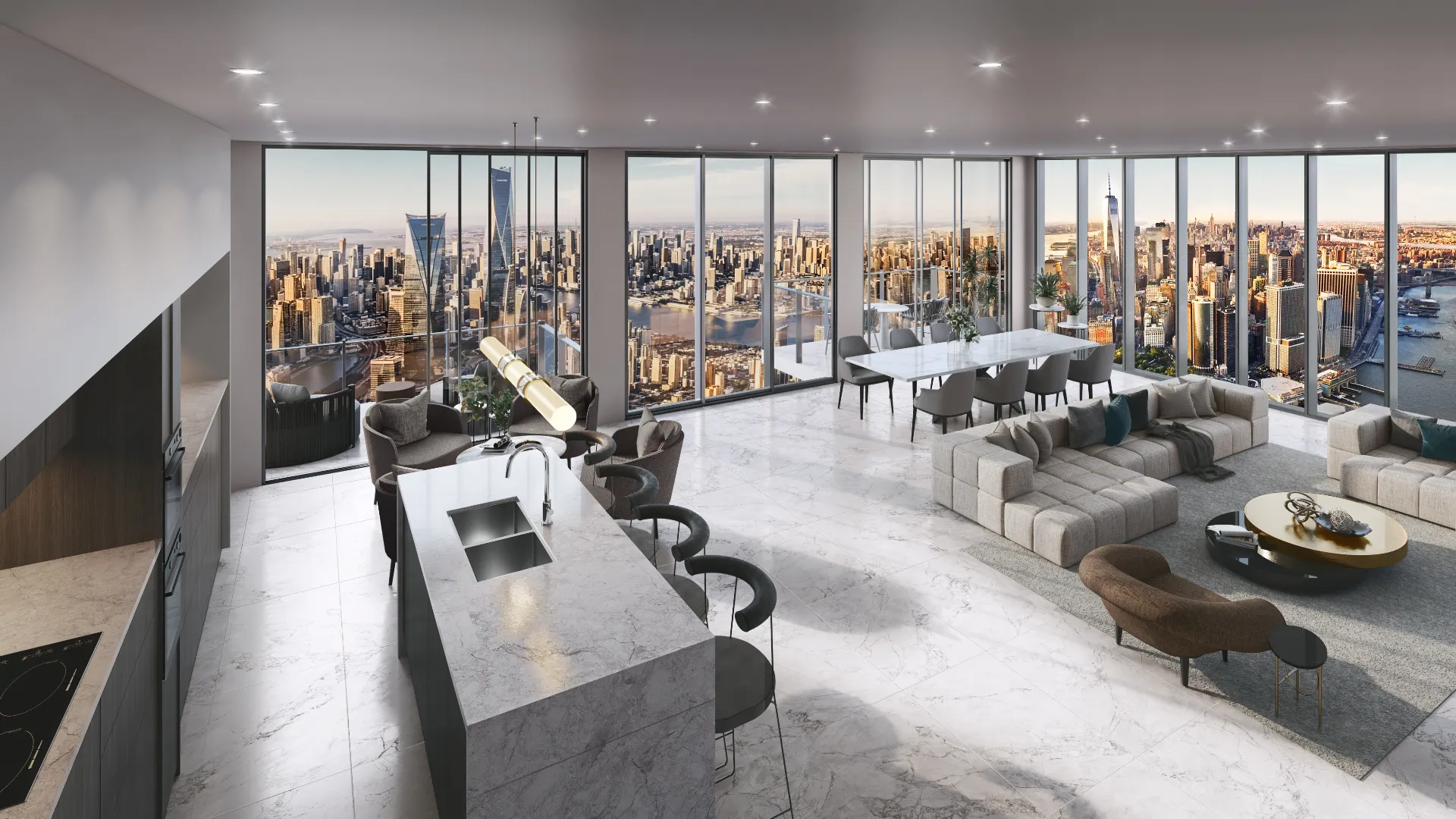
Luxury Builders
For builders competing on craft, with imagery that shows the detail rather than hiding it.
Planning Consultants
Defensible imagery for submissions, built on real survey and context data.