What architectural rendering actually costs, and why the range is so wide
What architectural rendering really costs, from $250 budget images to $2,500 premium frames — what drives the gap, and which tier your project needs.
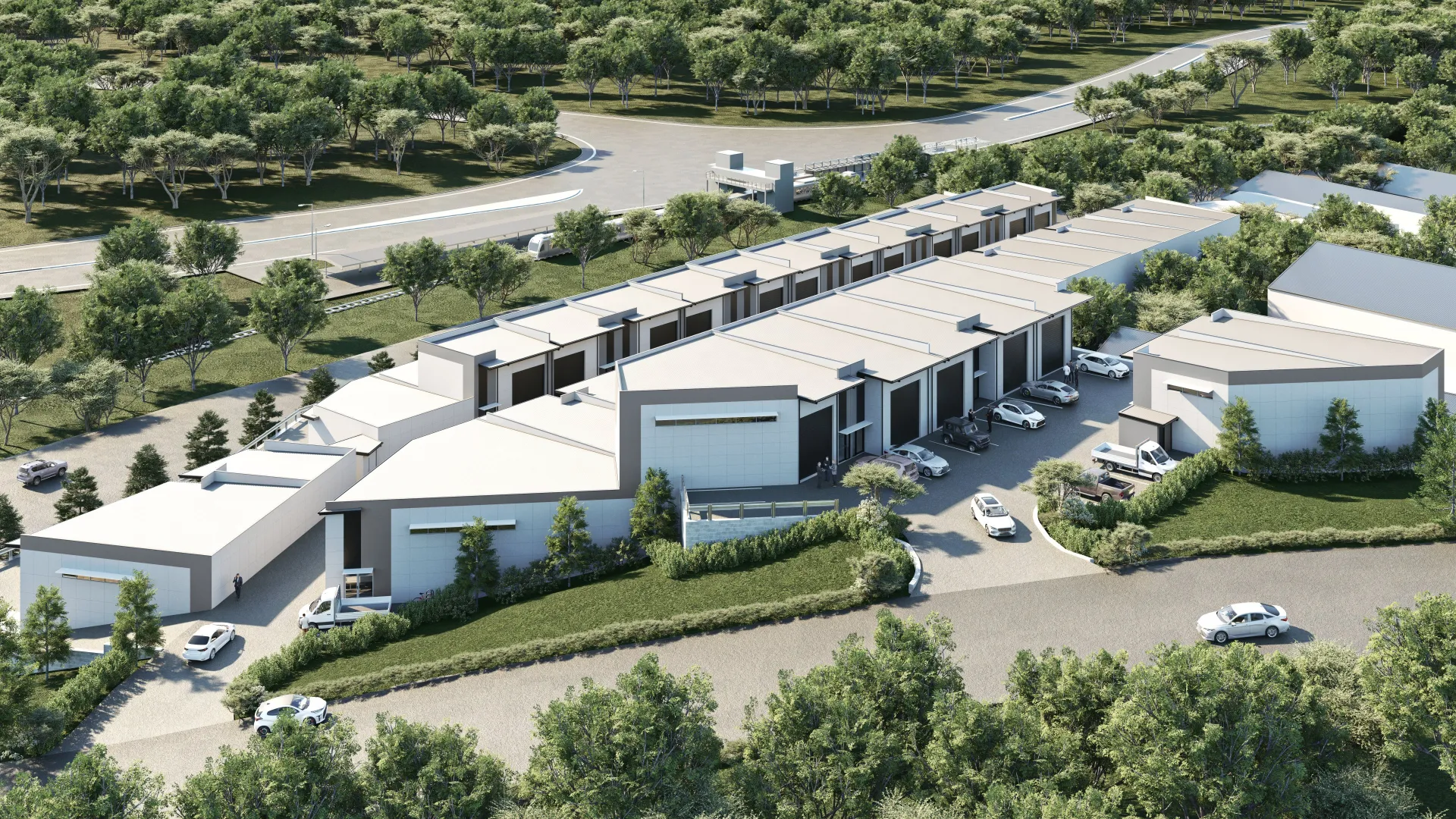
Ask five studios what an architectural render costs and you will get five answers between $250 and $2,600 for what sounds like the same thing. That spread is not a market failing to settle on a price. It is five genuinely different products wearing the same name.
Here is what the money actually buys.
The three tiers, honestly described
Budget: roughly $200–$400 per image. A model, a sun, a camera, and a render. Materials come from a stock library and are applied rather than art-directed. Turnaround is fast, often 48 hours, and for a great many jobs this is exactly the right purchase. A development application does not care whether your brick has convincing surface variation.
Mid-market: roughly $400–$800 per image. More time on lighting, some hand-built materials, basic styling, a light grade. This is where most of the industry sits, and it is where ArchiCGI publishes its rates — interiors from $300, exteriors from $600.
Premium: roughly $800–$2,600 per image. A dedicated lighting pass, materials built to the actual specification, full styling and set dressing, and a colour grade by someone who does it for a living. Omegarender publishes an average around $1,500, with residential interiors between $1,400 and $2,600.
The honest summary: you are buying studio hours, and a premium frame takes roughly four times as many as a budget one.
Where those hours actually go
It is worth knowing what you are paying for, because it tells you when to pay for it.
Lighting is most of it. An amateur render and a professional one are usually the same model. The difference is that the professional one had a lighting artist on it for a day. Interiors are worse than exteriors here, because a room is a closed box where every surface bounces light onto every other — get that wrong and the image reads as fake in under two seconds, even to someone who could not tell you why.
Materials are the second largest cost. A stock “red brick” takes a minute to apply. A specific brick, with the right bond, the right mortar colour, correct weathering and genuine surface variation, takes hours. On a facade-led project that difference is the entire image.
Styling is where interiors are won. An empty room renders fast. A room that looks like someone lives in it — books at plausible angles, a throw that has actually been thrown — takes a skilled person a long time, and it is the single biggest driver of emotional response in residential marketing.
The grade is the last 10% that people notice first. Colour grading is what makes the difference between “that is a render” and “that is a photograph”. It is also the stage most often skipped when a price is cut.
The six things that move your quote
- Scene complexity. A single dwelling is a fraction of a mixed-use podium.
- Volume. The scene build is the expensive part and it amortises hard. Ten images from one scene cost dramatically less per image than ten separate commissions — often 40% less. Commission in batches.
- Context accuracy. An invented backdrop is cheap. Neighbouring buildings modelled from survey and cadastral data are not — and for planning submissions, they are not optional.
- Styling depth. Empty renders fast; dressed does not.
- Resolution. Web resolution and hoarding resolution are different orders of render time.
- Schedule. Compressing a timeline means pulling artists off other work, and that gets surcharged.
Which tier does your project actually need?
This is the only question that matters, and the answer is frequently “the cheaper one”.
Buy budget when the image is for a DA or planning submission that will be assessed on compliance, an internal review, or a concept you are still testing and may discard.
Buy mid-market when the image goes on your website or a standard listing, or supports a sale where it is one factor among many.
Buy premium when the image is doing the selling on its own — off-the-plan campaigns, luxury custom homes, competition entries, awards submissions, or anything going on a hoarding for two years. Also when the building itself is genuinely exceptional, because mediocre imagery on excellent architecture is an active liability.
A useful test: if the image has to change someone’s mind, buy the good one. If it has to satisfy a requirement, do not.
Two ways buyers waste money
Drip-feeding single images. Six images commissioned one at a time can cost close to double the same six commissioned together, because the scene is rebuilt every time. Decide the full set up front even if delivery is staged.
Buying premium for compliance work. Paying $1,500 for an image a planning officer will glance at is money lit on fire. Any competent studio will tell you this — and if yours does not, that is worth noting.
What a good quote looks like
It should be fixed, not a range and not hourly. It should name the scope — how many images, at what resolution, with how many revision rounds. It should carry a delivery date. And revisions should be included and numbered, not billed as extras.
If a studio cannot give you those four things before starting, the number they have quoted you is not really a price. It is an opening position.
Aurum Render publishes full pricing rather than gating it behind a call. If your project is better served at volume pricing, we will tell you so and point you at 3D Design Studios instead.